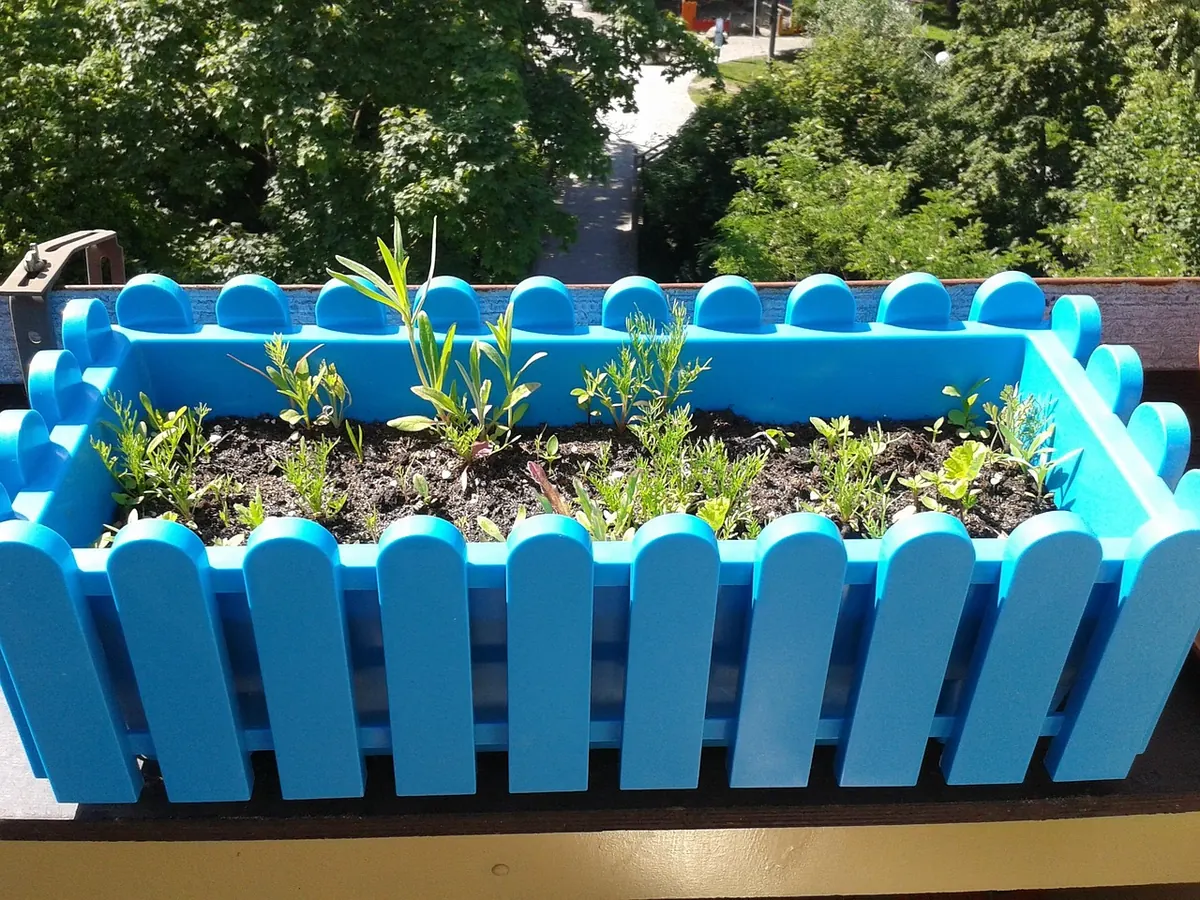
How to Start a Small Herb Garden on an Italian Balcony
A balcony in Italy often comes with a clothesline, a couple of chairs and a view someone else would call a holiday. It can also grow lunch. You do not need a terrace, raised beds or a grand plan. A few decent pots, the right herbs and a watering habit that fits your day are enough to turn a narrow ledge into something useful and green.
Start smaller than you think. Three healthy pots will teach you more than fifteen struggling ones, and the first basil you pinch for a tomato salad is a better reward than a balcony that looks like a nursery catalogue. The aim is a garden you can keep through a hot July and a windy March, not a perfect one for a photograph.
Read the light and wind first
Before buying anything, spend a day or two noticing how your balcony behaves. Which side gets morning sun? Where does the afternoon heat sit? Does the wind hit one corner hard enough to rattle a chair? These details decide which herbs will thrive and where the pots should go.
Most culinary herbs want sun, but “sun” on a balcony is not a single thing. A south-facing ledge can become fierce by early afternoon, especially above a paved street. Basil and parsley appreciate morning sun and some protection from the worst heat; rosemary, thyme and oregano cope with more exposure. If your balcony is mostly shaded, choose mint, parsley and chives, and accept that basil will be slower and softer.
Wind is the quiet problem. It dries pots faster, snaps tall stems and makes watering unpredictable. Put taller plants against a wall or railing, group pots so they shelter each other, and avoid lightweight containers that tip. Also keep walkways, drains and railings clear. A herb garden should not make the balcony less safe to use.
Choose pots that earn their space
On a compact balcony, every pot has to work. Terracotta looks right and lets roots breathe, but it dries out faster in summer. Glazed ceramic and good-quality plastic hold moisture longer and are lighter to move. Neither is better in every case; match the pot to the plant and to how often you can water.
Size matters more than colour. A tiny pot on a hot day is a daily commitment. Basil, parsley and mint are happier in containers around 25–30 cm across. Rosemary, sage and oregano need depth for their roots and room to develop a woody shape. Window boxes are useful for parsley, chives and small thymes, but check that they are fixed securely and do not overload the railing.
Look for:
- A drainage hole, ideally covered with a shard or mesh so soil does not wash out.
- A saucer or pot feet, so water can drain and air can move underneath.
- A stable base. Round pots on a windy balcony need weight or a sheltered corner.
- Light-coloured containers if the spot bakes in afternoon sun; dark pots heat up faster.
- Enough depth. Shallow bowls dry out too quickly for most herbs.
Pick herbs that forgive a beginner
Begin with herbs you actually cook with. That sounds obvious, but it is easy to come home with a delicate plant that needs more attention than a basil leaf for pizza. The reliable group is basil, flat-leaf parsley, mint, rosemary, sage, thyme and oregano. Chives are generous too, and their purple flowers earn their place.
Buy small nursery plants rather than starting everything from seed. Basil and parsley can be raised from seed, but on a small balcony it is often easier to begin with a healthy pot and learn how it grows. Mint is the exception to any sharing rule: give it its own container, because it spreads by runners and will crowd out neighbours.
Watch for plants that are already root-bound or yellowing at the base. A slightly plain plant with fresh growth is a better buy than a lush one crammed into a tiny pot. And resist the urge to fill every gap on the first day. Leave space to move pots, water properly and add a basil plant later when you know how the balcony behaves.
Plant with drainage and breathing room
Use a proper potting mix rather than soil dug from the garden. Garden soil compacts in containers, drains poorly and may bring weeds or pests. A lightweight mix with some compost and a little perlite or coarse sand gives roots air and holds moisture without turning to mud. Follow the bag’s guidance rather than guessing.
When you plant, work on a sheet or tray. It keeps the balcony tidy and saves soil for later.
- Check that each pot drains freely. Cover the hole with a shard or mesh, not a solid layer of stones.
- Fill the pot about one-third full with mix.
- Slide the plant out of its nursery pot and loosen the outer roots gently with your fingers.
- Set it in the pot at the same level it grew before. Do not bury the stem.
- Fill around the roots, firm the mix lightly and leave a 2 cm rim for water.
- Water slowly until it runs from the drainage holes, then let the pot settle.
Do not crowd plants. Good airflow around leaves is one of the simplest ways to avoid mildew and pests. If a pot looks empty, add a small trailing herb or leave it. A little bare soil is better than a squeezed root ball.
Build a watering routine, not a schedule
Watering is where most balcony herbs are lost. A fixed daily splash is not a routine; it is a guess. Push a finger into the top two centimetres of the mix. If it feels dry, water. If it feels cool and damp, wait. Lift the pot if you are unsure. A light pot needs water; a heavy one usually does not.
Water in the morning when you can. It gives plants a reserve for the day and reduces moisture sitting on leaves overnight. Pour slowly at the base, not over the leaves, and stop when water runs out of the bottom. Empty any saucer that is still full after half an hour; herbs do not want standing water around their roots.
In summer, small pots may need water once a day or more during a heatwave. In spring and autumn, every few days may be enough. In winter, cut back sharply and check before watering. Terracotta pots dry faster than glazed ones, and a windy day can dry a pot as quickly as sun. Group pots to create a little shade and humidity, but leave enough space for air to move.
Keep the balcony tidy and productive
Harvest little and often. Pinch the top leaves of basil to encourage bushy growth, and remove flower buds if you want more leaves. Take no more than about a third of a plant at one time. Parsley and chives can be cut regularly; rosemary and sage prefer steady, light picking rather than a hard trim.
Feed during the growing season with a liquid fertiliser mixed according to the label. More is not better, especially in small pots. Check the undersides of leaves for aphids and look for white patches that might signal mildew. A strong jet of water, better airflow and prompt removal of damaged leaves will solve many small problems before they spread. Keep spent leaves and fallen soil off the floor; a clean balcony is easier to water, sweep and enjoy.
Your first month, simply
Start with three pots: basil, parsley and rosemary, or mint if your balcony is shaded. Put them where you will see them every day, close enough to the kitchen door that you actually use them. For the first week, check moisture each morning and move a pot if it looks scorched or wind-beaten. In the second week, begin pinching and harvesting. By the end of the month, you will know your balcony’s rhythms better than any general guide can tell you. That is the real beginning of a herb garden: not a perfect setup, but a small, working routine you can keep.
Photo: Hans / Pixabay


You Might Also Like
A guide to spring foraging the way locals do it — reading the hedgerows politely, picking four reliable greens, and leaving the rest well alone.
Handwoven linens reward a little knowledge. Here are the washing, drying, and storing mistakes that quietly shorten their life — and the simple habits that keep them beautiful for decades.